Pick the community first. Then see the right listings.
You, or your clients, answer questions about what "home" should feel like: transit, walkability, family life, budget, and more. AIM maps that to real neighbourhoods, applies your filters, and recommends listings tied to the communities that actually fit.
A clear path from preferences to properties
Preference-led, not listing-led
Every neighbourhood, scored, so listings inherit that context.
OSM, Open Toronto, StatCan, transit APIs, event feeds, geospatial imagery. The same stack that answers “which communities fit?” also explains why a recommended listing belongs on the shortlist.
- OpenStreetMap & Open Toronto: streets, amenities, parks, schools, pedestrian network, transit stops
- Statistics Canada: census demographics, income, education by tract
- Event feeds & foot traffic: concerts, markets, pop-ups, movement data
- Geospatial imagery: parking lots, access, site layout from satellite and aerial imagery
- TTC ridership, business registries, building permits. Block and building-level precision.
OSM & Open Toronto
Streets, amenities, parks, schools, pedestrian network
Statistics Canada
Census: demographics, income, education by tract
Events & foot traffic
Event feeds, movement data. What's happening locally
Geospatial imagery
Parking, access, site layout from satellite and aerial
Sample output: Trinity Bellwoods scores
Every listing sits in a community. Know that community first.
The same metrics that power questionnaire matches appear in each neighbourhood dossier: demographics, income, traffic, events, and composite scores, so listing recommendations have a story behind them.
- Demographics: age, education
- Income: median household, affordability
- Foot traffic: daily visits
- Event density: concerts, markets, pop-ups
- Community score: safety, green space, engagement
Trinity Bellwoods, Community Data
Median Age
37
Median Income (pre-tax)
$100K
Foot Traffic
14K/day
Events/mo
28
Community Score
92/100
Post-secondary %
68%
Demographics
Community highlights
58 coffee spots · 12 parks · 59 transit stops · 25 grocers · Weekly farmers market · High walkability
Listings are easier when community fit is already decided.
Buyers and realtors get the same workflow: capture preferences, rank neighbourhoods, layer filters, and recommend properties that belong in those communities.
One flow: preferences → neighbourhoods → listings.
Preference questionnaire
Structured questions on how you, or your client, want community to feel: transit, walkability, family life, noise, and more.
Neighbourhood fit scores
Every area is ranked to that profile so you can explain why a pocket fits before showing a single listing.
Listing recommendations
Homes surface in the communities that match the profile, then narrow by price, beds, type, and the filters that matter.
Neighbourhood Analysis
Deep-dive any name: walkability, transit, nightlife, demographics, and live signals in one view.
Data under the hood
Census, mobility, amenities, events, so recommendations are tied to evidence, not vibes alone.
Stay ahead of inventory
Get notified when new listings land in the communities you have already validated against the questionnaire.
Every dimension, scored.
These are the kinds of signals buyers and realtors weight in the questionnaire. Click one to see how it's calculated and how it shapes neighbourhood matches before listings are filtered in.
Walkability
How it's calculated
Scored 0–100 from sidewalk density, pedestrian infra, and distance to amenities. Labels like 'Very walkable' or 'Car-dependent' tell you what it means at a glance.
Why it matters
A 90 means grab groceries and coffee on foot. A 30 means you'll likely drive for errands.
How it works in practice.
Complete the community preference flow, lock in your filters, and watch recommendations concentrate on the pockets that already match your answers. Sign up for early access to listing alerts; use free Neighbourhood Analysis today.
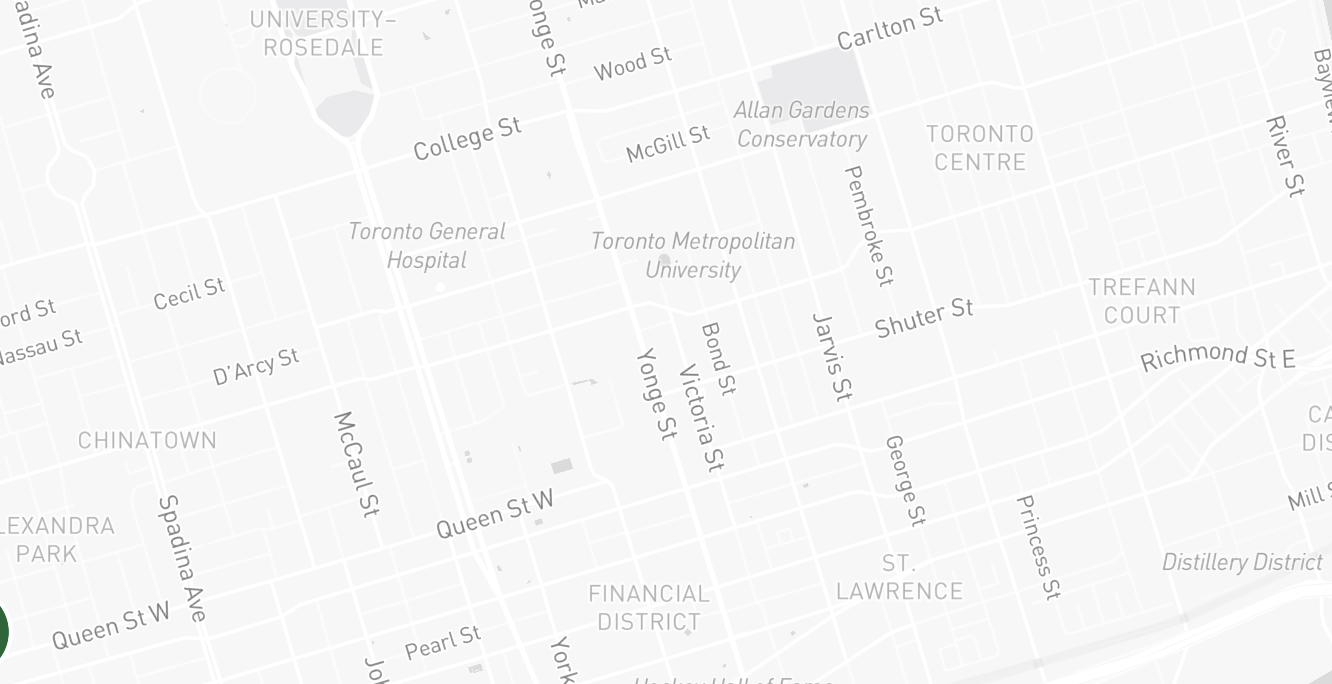
TORONTO
Lead with community. Close with the right home.
Whether you are buying or advising a client: answer the community questions once, tune the filters, and follow recommendations that stay anchored to the neighbourhoods that earned the match.
140+
Neighbourhoods scored in Toronto
15
Data dimensions per neighbourhood
Census + Live
Demographics and event data
Free
Neighbourhood Analysis (try now)